BOXIANG / 03
Stamping Tool and Die Development
Boxiang provides stamping die design and development based on part drawings and production requirements.
The review connects part geometry, press compatibility and downstream operations so tooling decisions reflect the intended manufacturing process.
Include material, thickness and quantity if available.
Inside our factory
Stamping and tooling capabilities in Sihui, Guangdong.
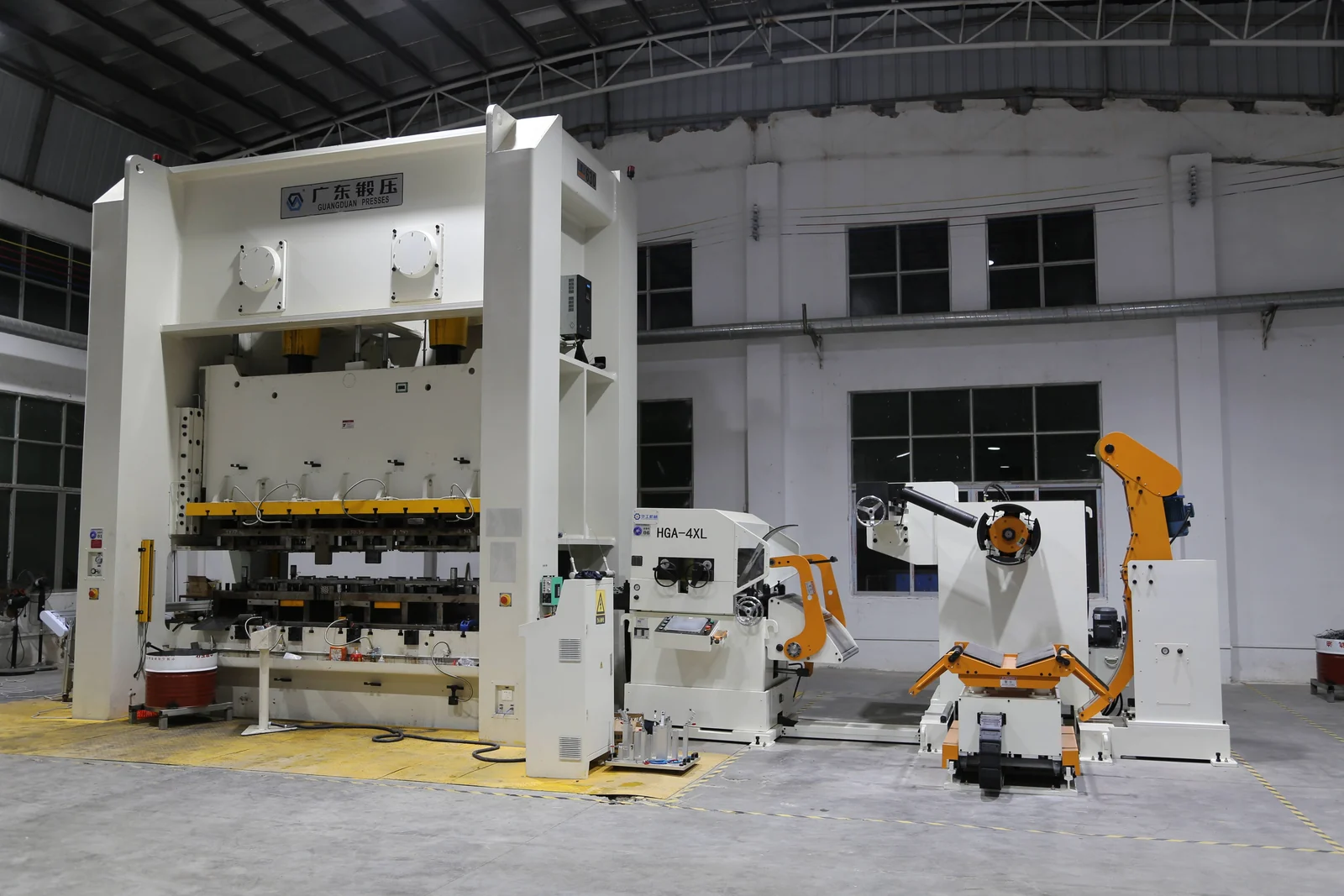
630T stamping press
Automatic coil feeding supports stamping production. Material, geometry and tolerances are reviewed for each drawing before the process is confirmed.
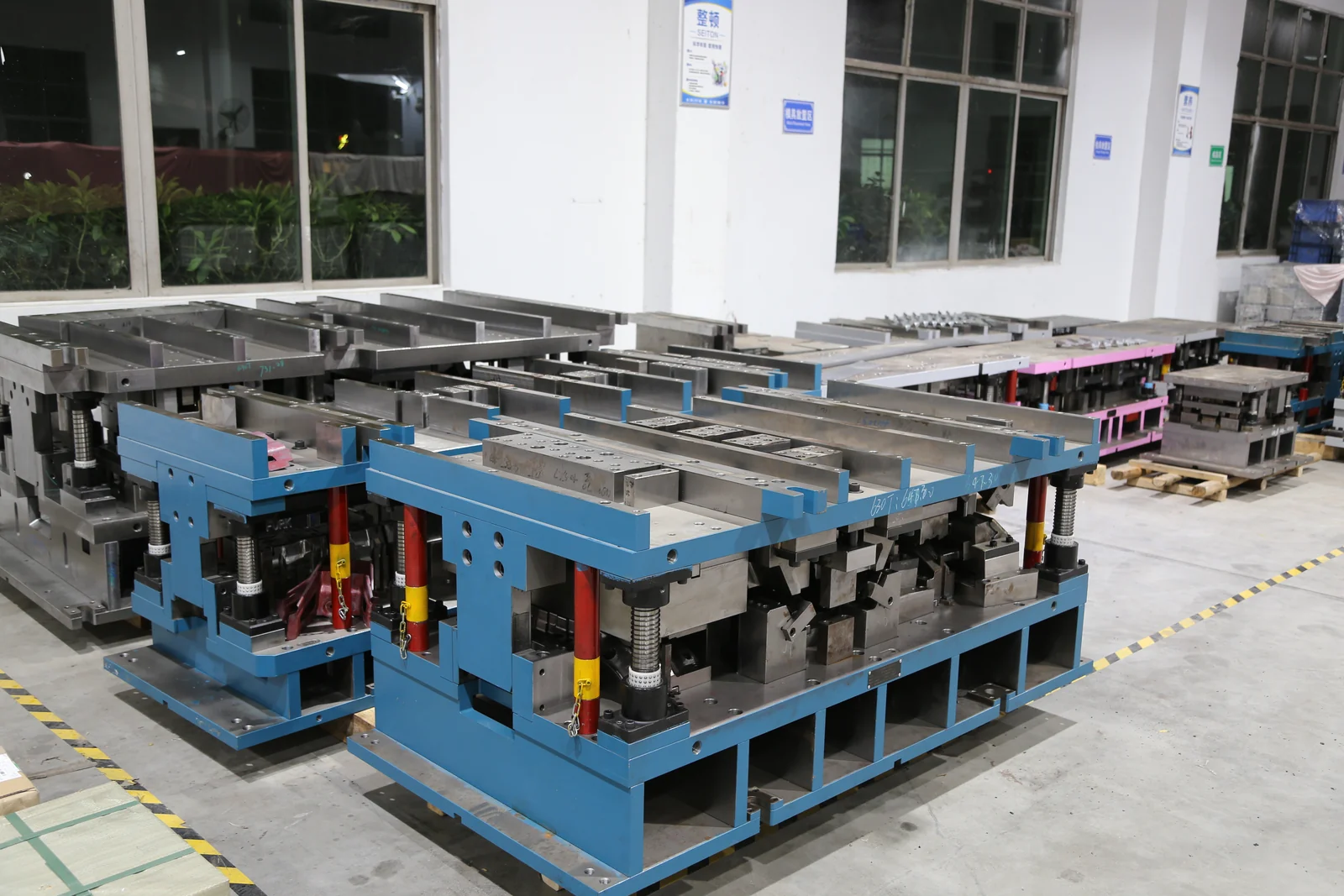
In-house tooling
Tool development, trials, adjustment and production maintenance are handled in-house. Sample approval criteria and inspection requirements are agreed for each project.
Define the die project before development
A shared scope connects the part drawing, the equipment that will use the die and the evidence needed for acceptance.
The target press
Provide the intended press and feeding arrangement, especially if production will take place on your equipment. Installation space and operating compatibility need review before the die design is agreed.
Handover and maintenance
Define which drawings, spare components and maintenance information are required at handover. Storage, maintenance and any later transfer responsibilities are project terms to agree in writing.
Trial and acceptance
Agree the drawing revision, sample checks and required inspection records before the trial. Review any changes to the part or trial conditions against the agreed acceptance plan.
What to confirm before ordering
- Supply controlled drawings, material specifications and critical dimensions.
- Define intended production quantity, press requirements and sample acceptance criteria.
- Agree tooling scope, ownership and maintenance responsibilities in writing.
Agree the tooling scope before development
Document what the die must produce, how the samples will be accepted, and what happens to the tooling after the order.
- Controlled production inputs
- Provide the approved drawing revision, material specification and planned quantities. If the die will run on your press, share the press interface and operating requirements for compatibility review.
- Trial and acceptance records
- Agree the trial material, sample quantity, critical checks and documents needed for acceptance. Define how drawing changes or unsuccessful sample checks will be reviewed before proceeding.
- Ownership and ongoing responsibilities
- Confirm die ownership, storage location, maintenance responsibilities and transfer conditions in writing. List any fixtures, spare parts or design files expected within the quoted scope.
These are points to review together. Prices, tooling terms and acceptance criteria are confirmed for your project.
Download the RFQ checklistRelated part types
Reference geometries from our product gallery. Suitability for your project is reviewed against your drawing.
- Stamped brackets
- Bent & reinforced geometries
- Speaker baskets
- Open-frame component geometry
From drawing to production
- 01
Review the part, production assumptions and tooling requirements.
- 02
Confirm the proposed die approach, quotation scope and acceptance plan.
- 03
Develop and trial the die, then review sample results against agreed criteria.
Common questions
Can tooling be evaluated from a 3D model alone?
A model helps define shape. Please also provide material, tolerances and inspection requirements, ideally in a controlled 2D drawing.
How are tooling ownership and maintenance handled?
These are project terms to agree before development. Include your ownership, storage, maintenance and transfer requirements in the enquiry.
What information is needed if the die will run on our press?
Provide the press model and its relevant specifications, available installation space and feeding arrangement. The die and target equipment must be reviewed together before compatibility is confirmed.
How should a drawing revision during die development be handled?
Identify the revised drawing and list the changed features. Any effect on die design, samples, cost and timing should be reviewed and agreed before the revised scope proceeds.
BOXIANG / RFQ
Discuss your component
Unit price, tooling cost, minimum order quantity and lead time depend on the part and order. Share the project details by email or WhatsApp so we can begin a technical review.
Manufacturing guideYOUR NEXT COMPONENT
Let’s start with your company.
Factory details are based on company-supplied information. Project-specific capability is confirmed through drawing review.